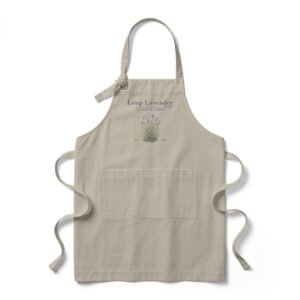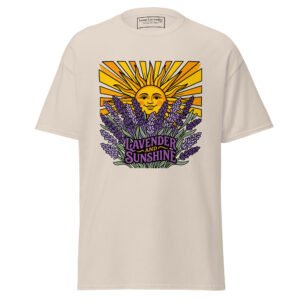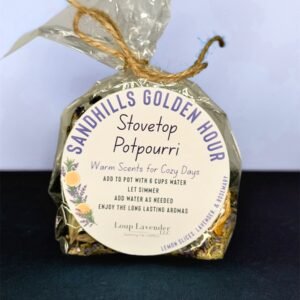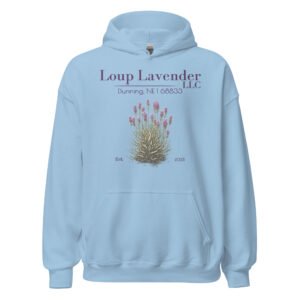
New: Loup Lavender merch is here!
Shop now →
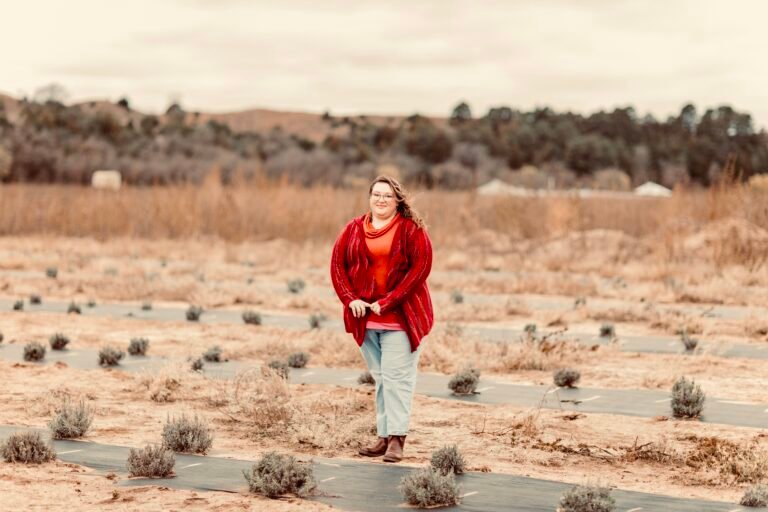
Andrew and Donnita in the Loup Lavender field

Lavender farm & small-batch goods

Lavender grown gently, made into goods you’ll use every day.

Seasonal fresh-cut bouquets, sachets, infused sugar, goat milk soaps and seeds, grown and made along the Middle Loup River with solar-powered water, cover crops and no chemical pest control.

Latest from the farm

On our Facebook
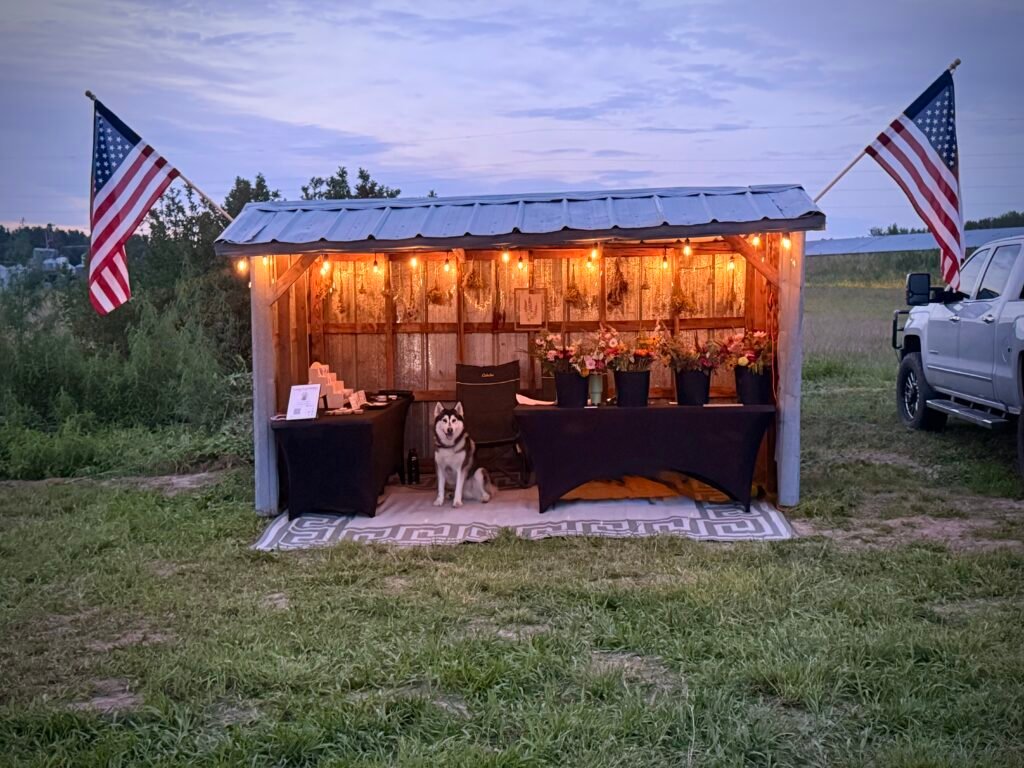
The Loup Lavender farm stand at dusk

Farm stand hours, fresh bouquets and what’s new on the farm. We post it all on Facebook every week.

Follow us on Facebook
Cover for Loup Lavender LLC
Page likes: 337

Loup Lavender LLC

(opens in a new tab)

Located in the Sandhills of Nebraska. We specialize in cultivating exquisite angustifolia lavender varieties and cut flowers. We are providing artisinal lavender-enhanced products while committing to sustainability and conservation.

14 hours ago

Loup Lavender LLC
Sometimes we must fail in order to learn. These are the dahlia tubers I saved from the seedlings I wanted to keep growing next year and for years to come. Unfortunately, I must have wrapped some of them while they were still too moist, and a few had to be tossed because of rot.I’ve dipped the remaining tubers in a mild bleach solution, and they’re going to air-dry before I prepare them for storage again.My Govee hygrometers arrived today, so now the experimenting begins! I’m testing the temperature and humidity levels in the wine fridge and mini fridge. My third hygrometer will be moving around the house to help me find a potential spot to store tubers in totes.Dahlia tubers have some pretty specific storage needs. Ideally, they like temperatures around 40°–50°F. Too cold and they can freeze and turn to mush. Too warm and they can break dormancy and start growing. When stored without individual wrapping, they do best with humidity around 70%–80%.I’m hoping these new tools will help me find the perfect little storage spot where I can keep them in totes with vermiculite instead of individually wrapping them in Saran Wrap and playing a giant game of Tetris in the refrigerators. There’s a fine balance between fitting them all in, keeping them from touching the sides or getting pushed too far to the back, and still allowing enough airflow.And to think… my great-grandmother stored her dahlia tubers inside of a cistern. 🙂 Let’s bring back root cellars and older, less fussy ways!!! …
View on Facebook (opens in a new tab)

22 hours ago

Loup Lavender LLC
Things may look a little quiet around the farm right now, but there’s always something growing, planning, dreaming, or creating behind the scenes.Most of the seeds for 2027 have arrived and logged into my planting plan spreadsheet, continuing to start new lavender babies, and getting ready for the Christmas Extravaganza in Dunning on December 5th. …
View on Facebook (opens in a new tab)

4 days ago

Loup Lavender LLC
Missing the little pollinator friends on this cool windy day …
View on Facebook (opens in a new tab)

5 days ago

Loup Lavender LLC
It has come to our attention that there are still some issues with the checkout process on the online store. It is a bug in the e-commerce software that we are using. We have contacted their support team and are waiting on a response. If your payment or order fails, please hit the try again button to force the order to go through. If you continually have issues, please reach out, and we will get your order placed. Apologies for the hiccups today! We appreciate everyone that has followed, and made a seed purchase. …
View on Facebook (opens in a new tab)

Keep Me In The Loup

Harvest updates, new products and restock alerts, straight from the farm. No spam.

New this season

We are committed to a sustainable future in agriculture.

Lavender plant illustration from the Loup Lavender logo

We cultivate lavender sustainably, using solar power to provide water to the plants. We use cover crops to prevent erosion, keep the soil from drying out and avoid tilling between rows. Groundwater quality is of utmost importance to us, to keep the land usable for the long term, so we plant complementary plants around the field to discourage pests without the need for chemicals.

As we expand, our goal is to make solar energy the primary power source for any facilities we build. Our lavender and lavender-enhanced products are made with the most sustainable, eco-friendly ingredients available, and kept affordable without compromising on quality. We firmly believe that moving toward a more sustainable world is essential.
Read our story →

From the field

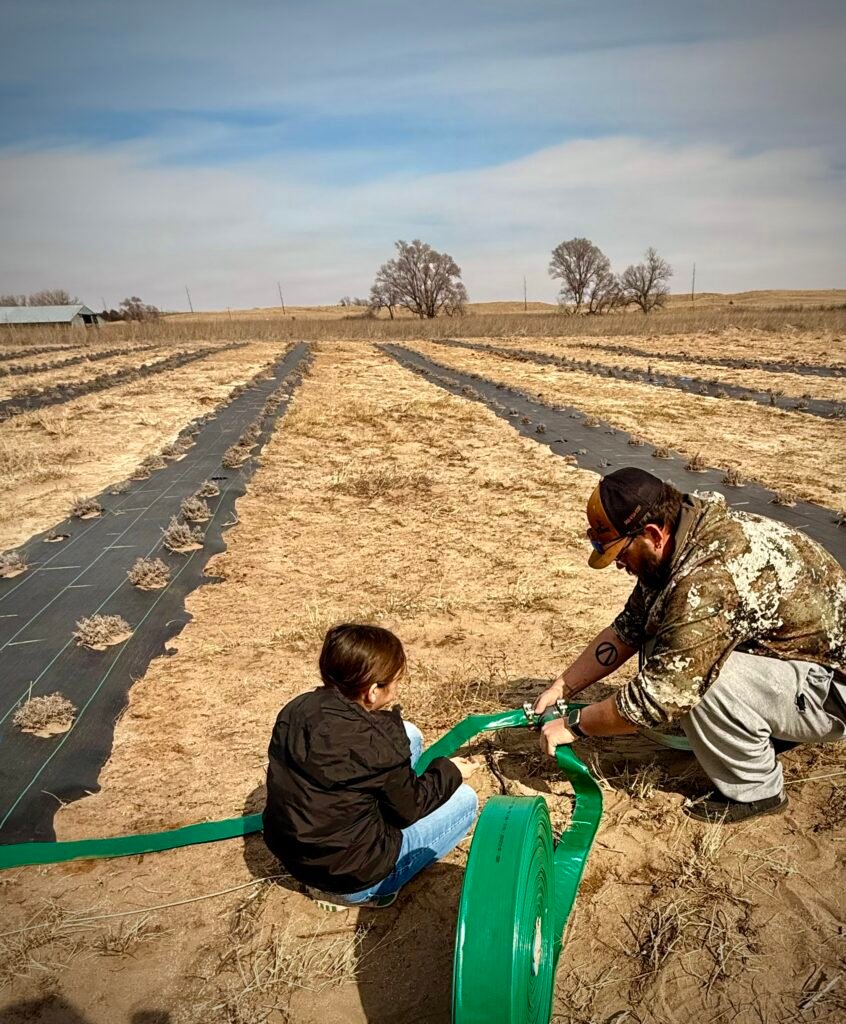
Planting the lavender field together
Loup Lavender field photo
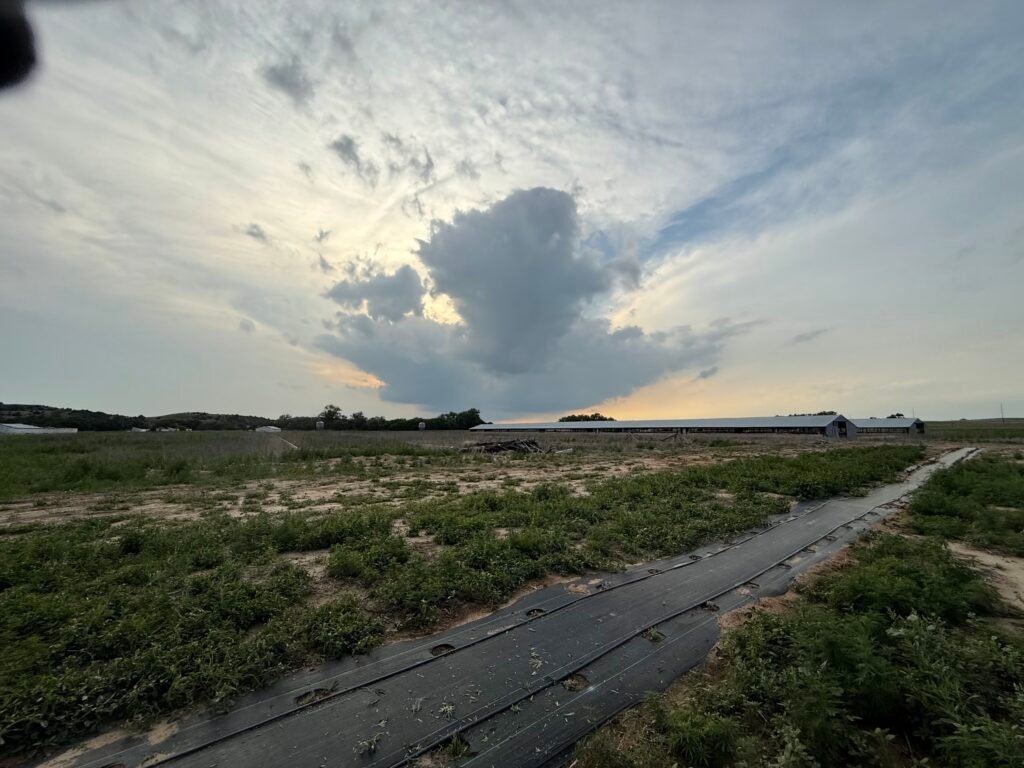
Big Sandhills sky over the lavender rows

See the full gallery →

Solar-powered water

Our irrigation runs on the sun.

Cover crops

Less erosion, healthier soil.

No chemical pest control

Companion plants do the work.

Groundwater first

Farming for the long term.